
Use these technical and sourcing resources to define a caffeine pouch project. Each guide addresses a practical procurement question, gives a usable checklist and separates project decisions from evidence that still needs to be established.
20 resources
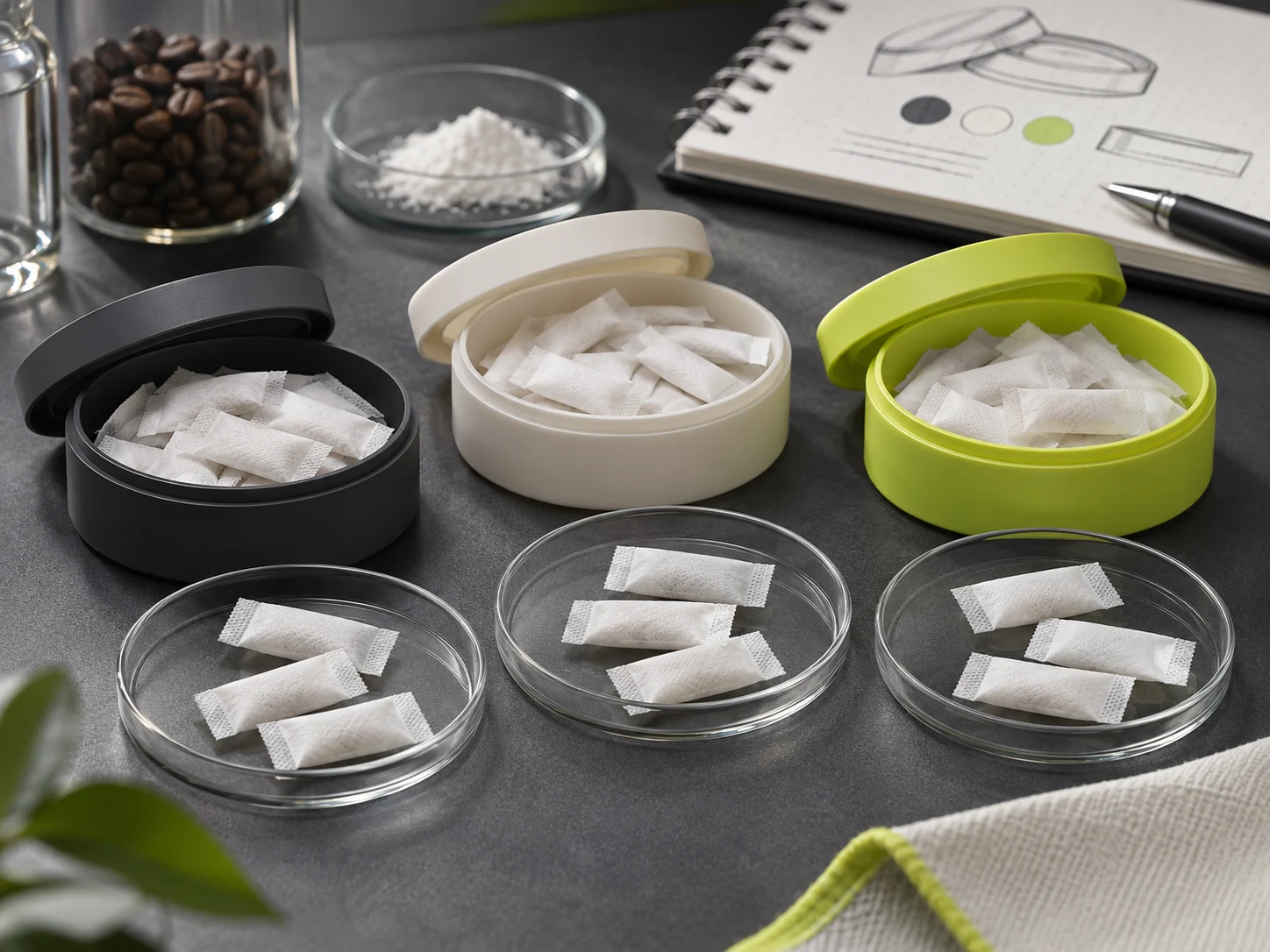
How to evaluate caffeine pouch samples
Record sample versions, flavor, bitterness, cooling, pouch feel and packaging observations. Send structured feedback without treating it as clinical proof.
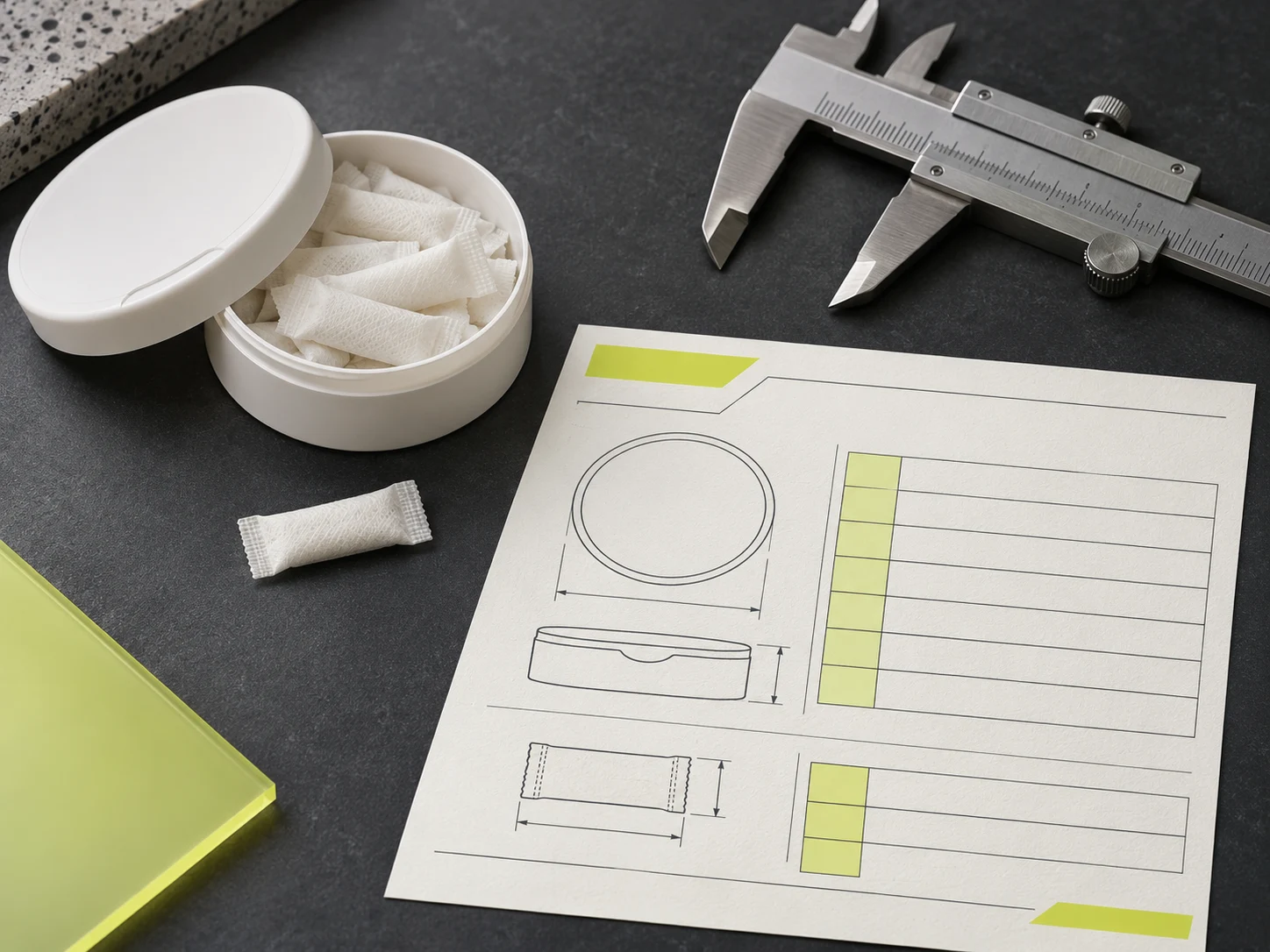
Caffeine pouch project specification template
Use specification fields for caffeine content, ingredients, pouch materials, packaging and documentation. Track versions and unresolved project items.
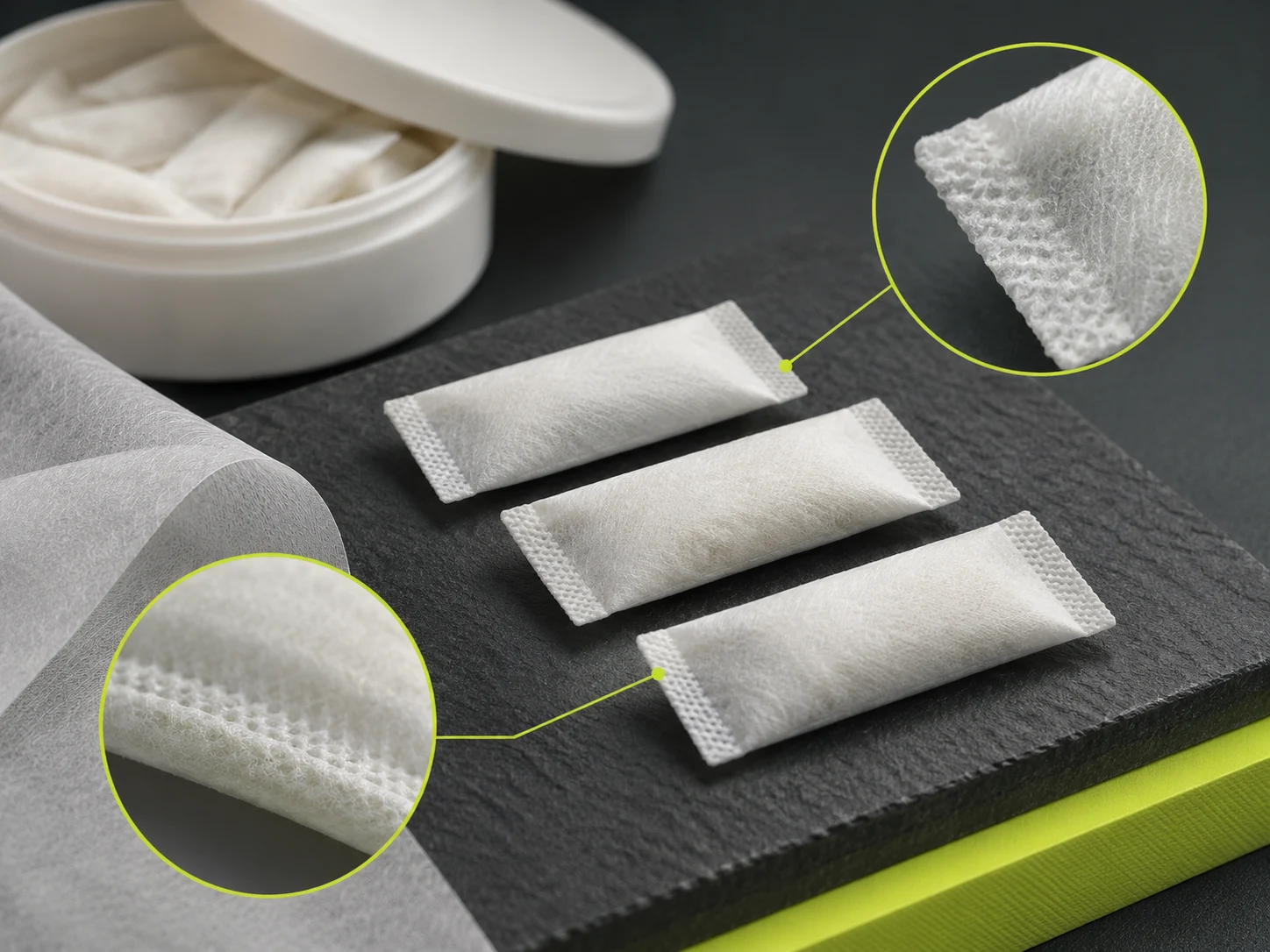
Selecting caffeine pouch materials
Review pouch material identity, contact suitability, feel, seal strength and leakage. Define what needs checking with your formulation and packaging.
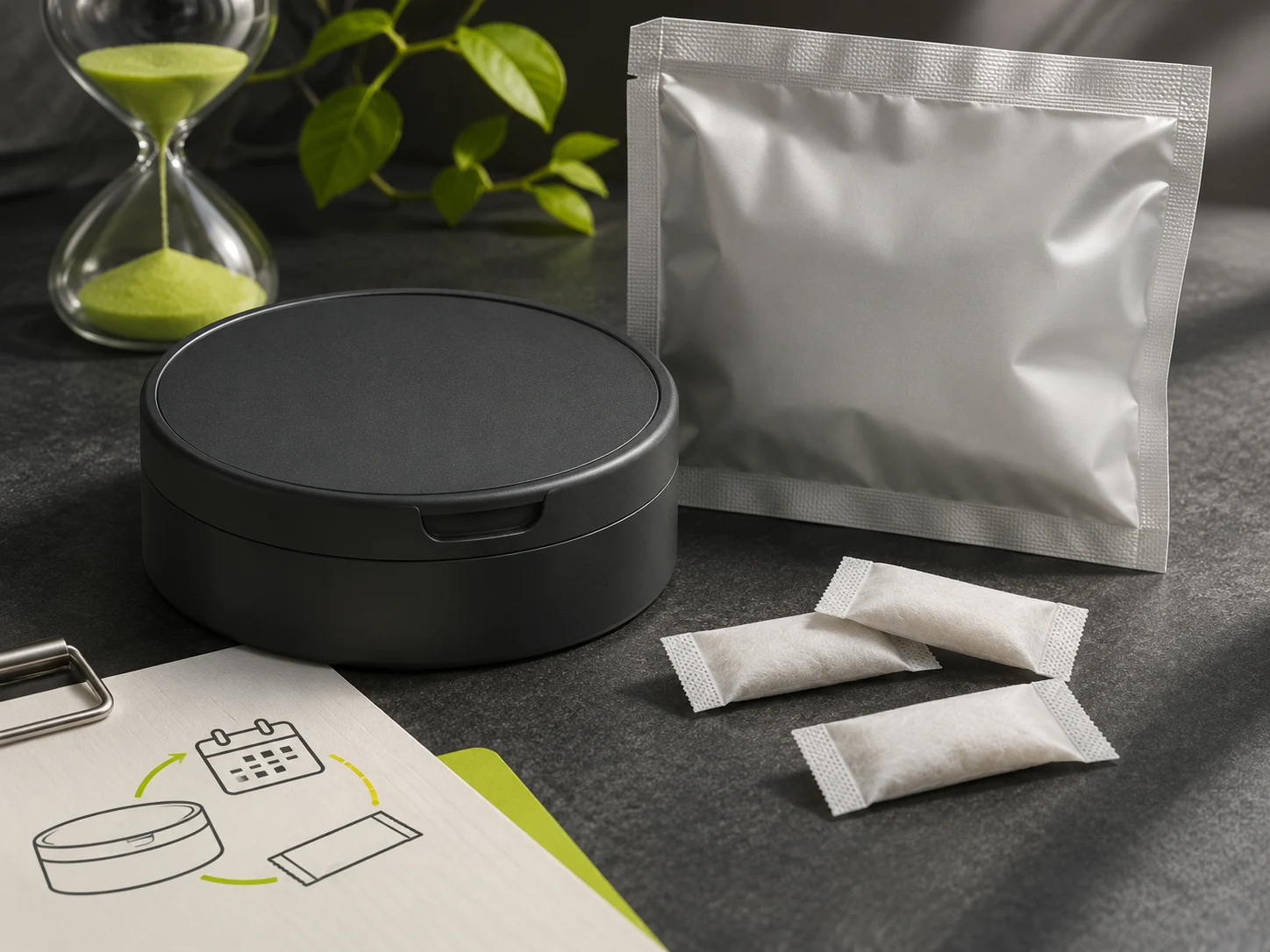
Caffeine pouch shelf life and packaging
Plan stability and packaging evaluation for caffeine pouches, including seals, barriers and opening conditions. Separate real-time and accelerated data.
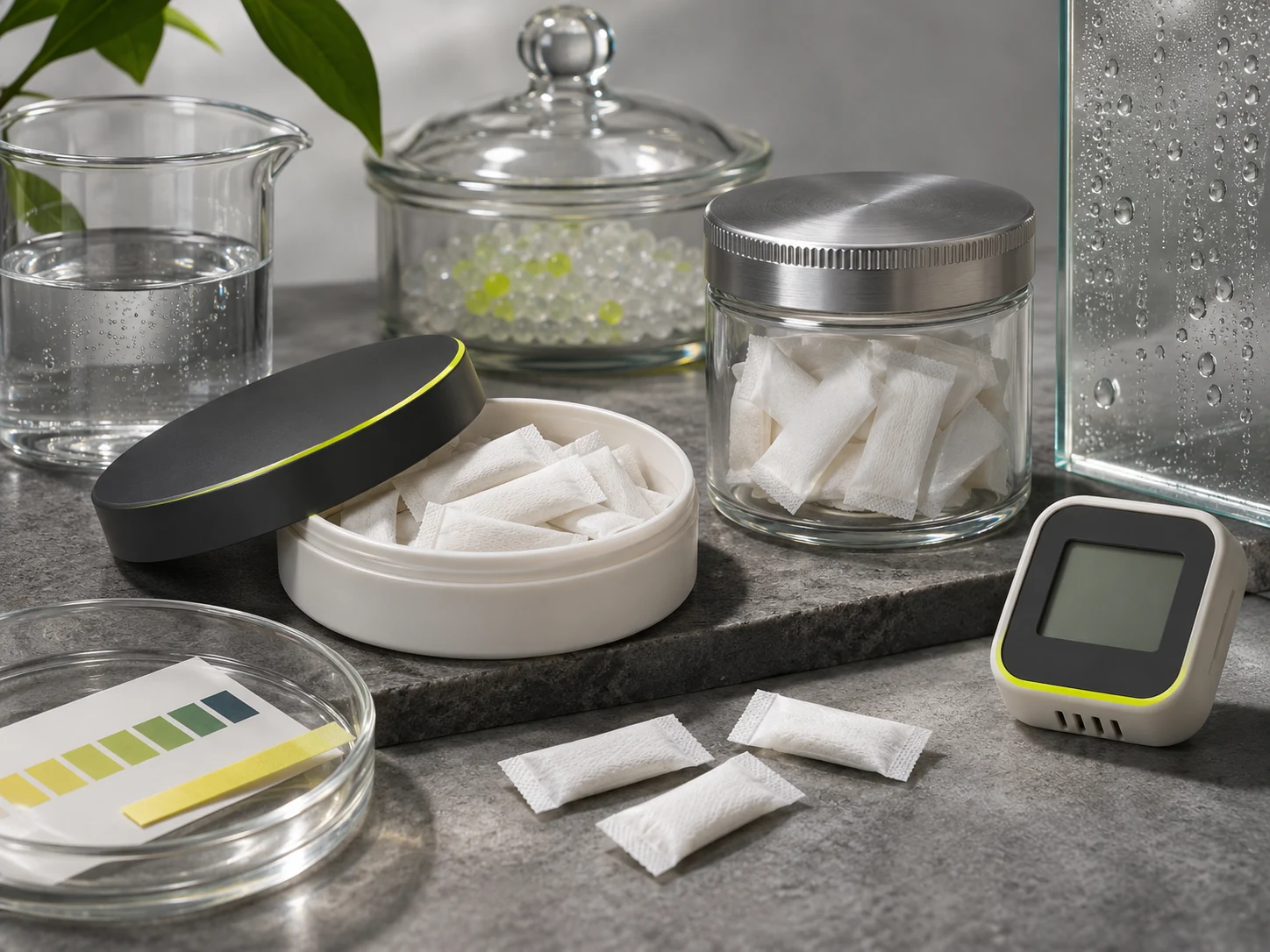
Pouch pH moisture and water activity
Define pH, moisture and water activity methods for a caffeine pouch project. Review their relationship with sensory targets, packaging and stability.
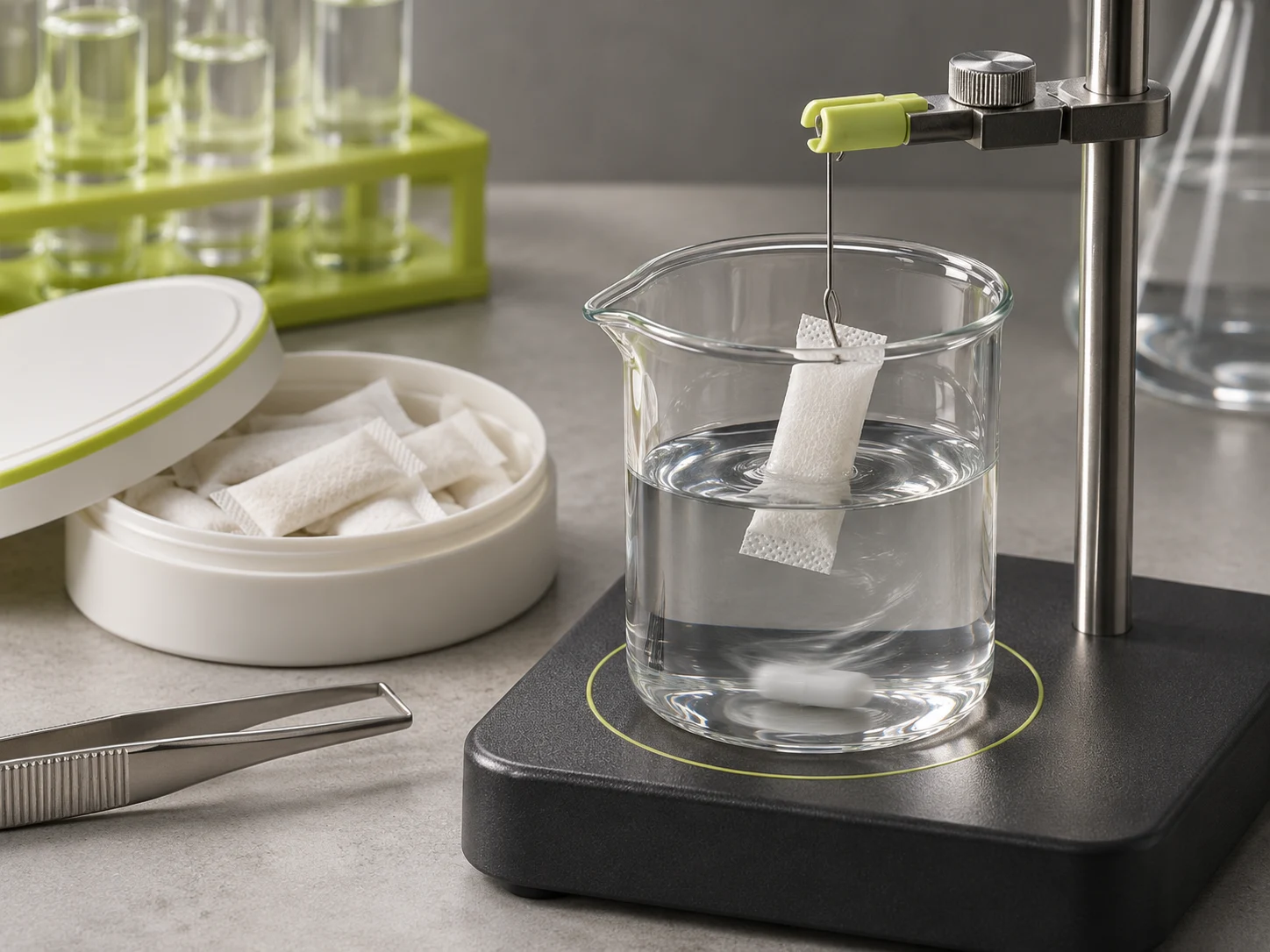
Caffeine pouch in vitro release testing
Review release test media, sampling, methods and pouch conditions. Understand the limits of using in vitro results to discuss absorption or onset.
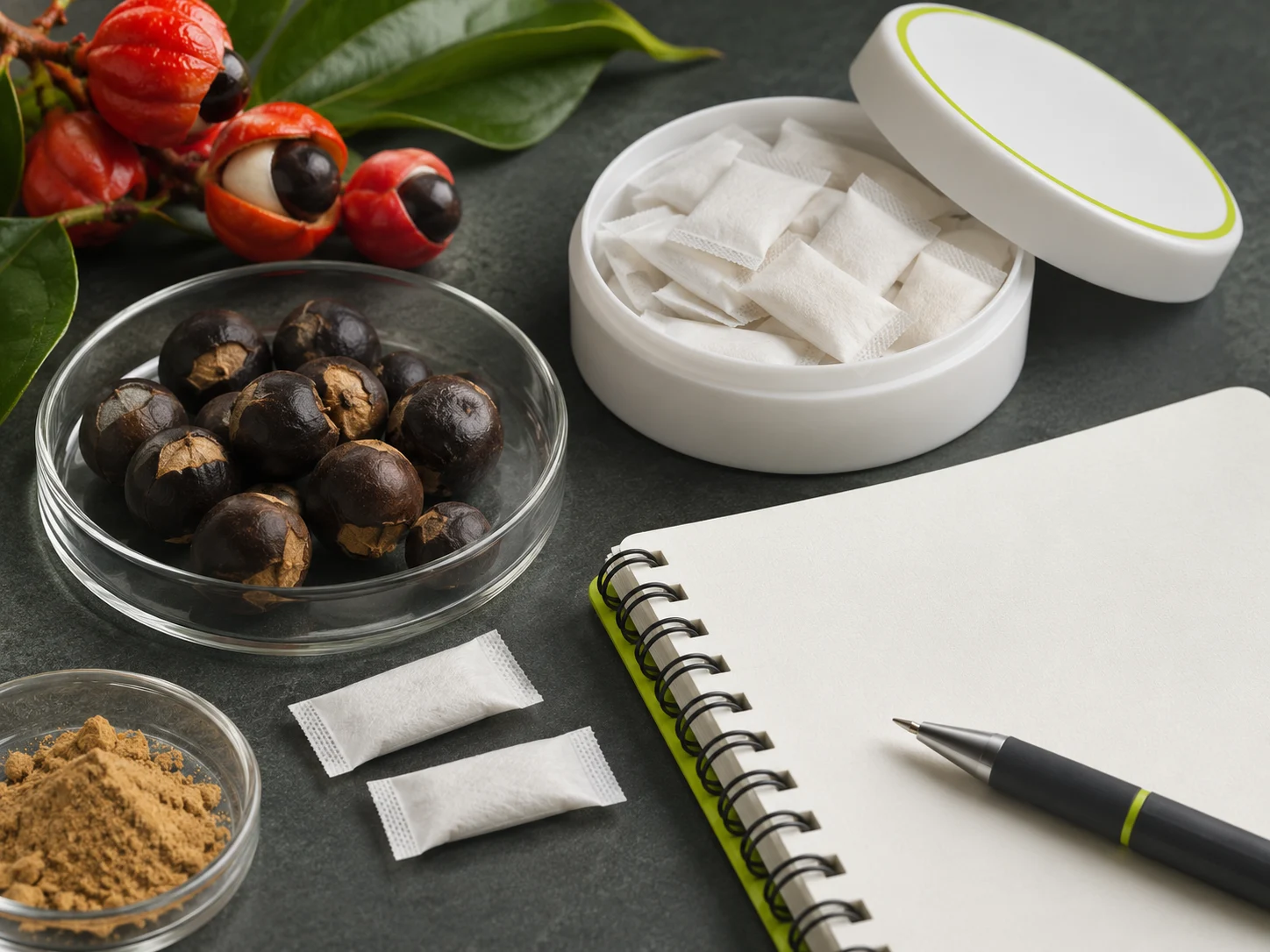
Guarana and total caffeine calculation
Review how guarana and other ingredients contribute to total caffeine. Reconcile ingredient calculations with finished-pouch analysis and label units.
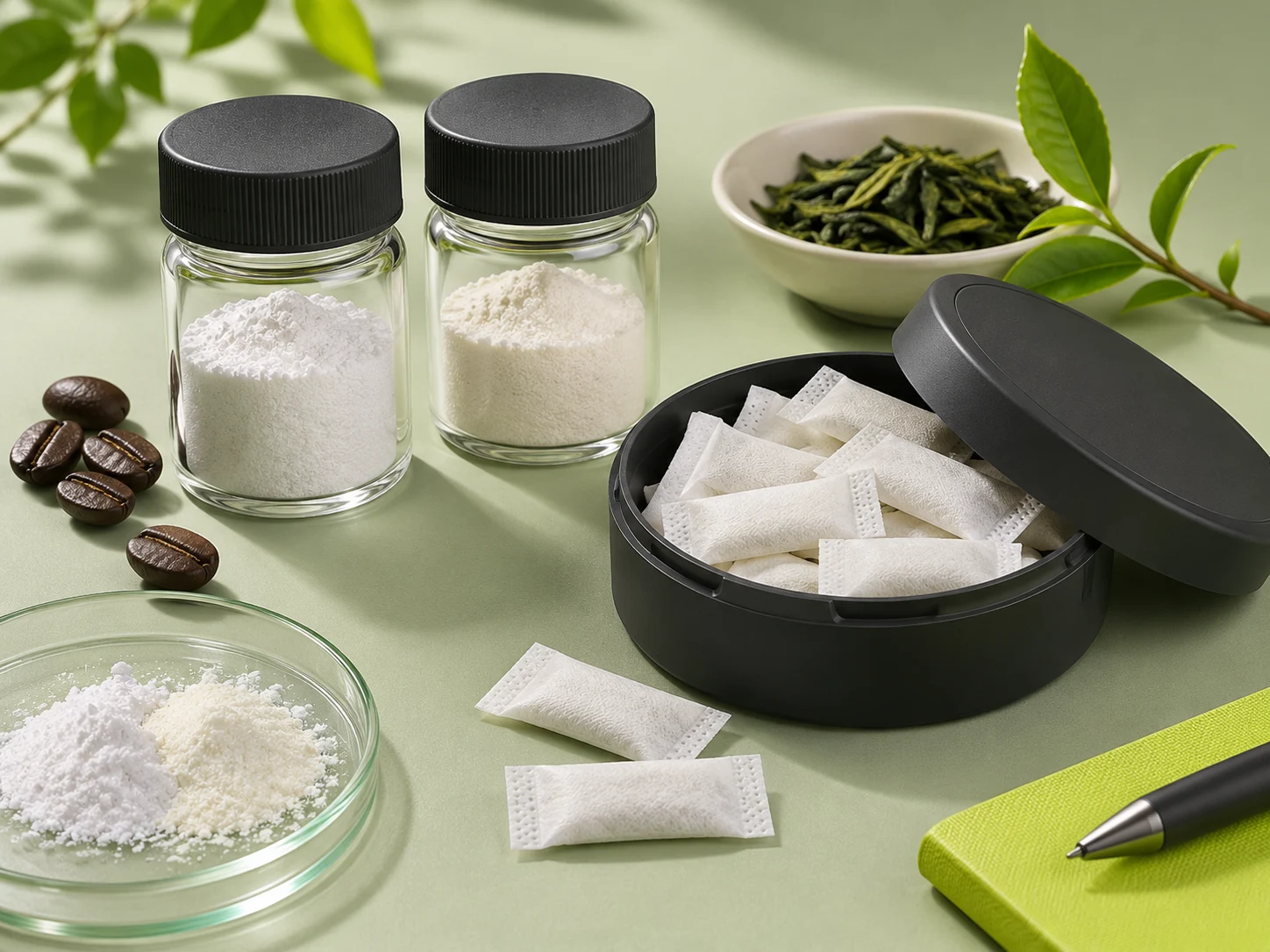
Developing caffeine and L-theanine pouches
Review caffeine and L-theanine ingredient forms, specifications, compatibility and testing questions. Keep formula evaluation separate from effect claims.
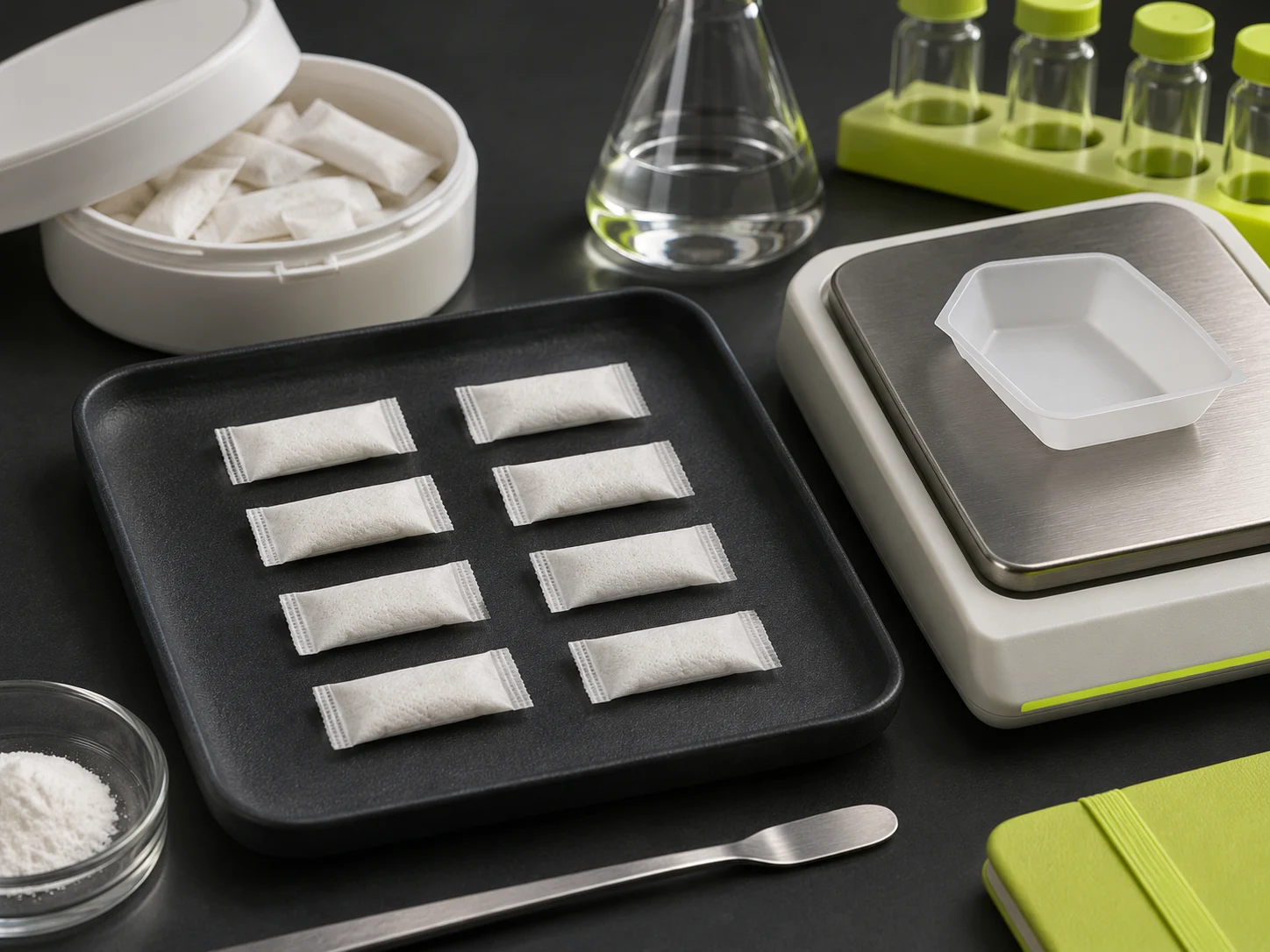
Caffeine content and pouch uniformity
Define caffeine content per pouch, label units, sampling and finished-product verification. Understand why a batch average does not prove uniformity.