
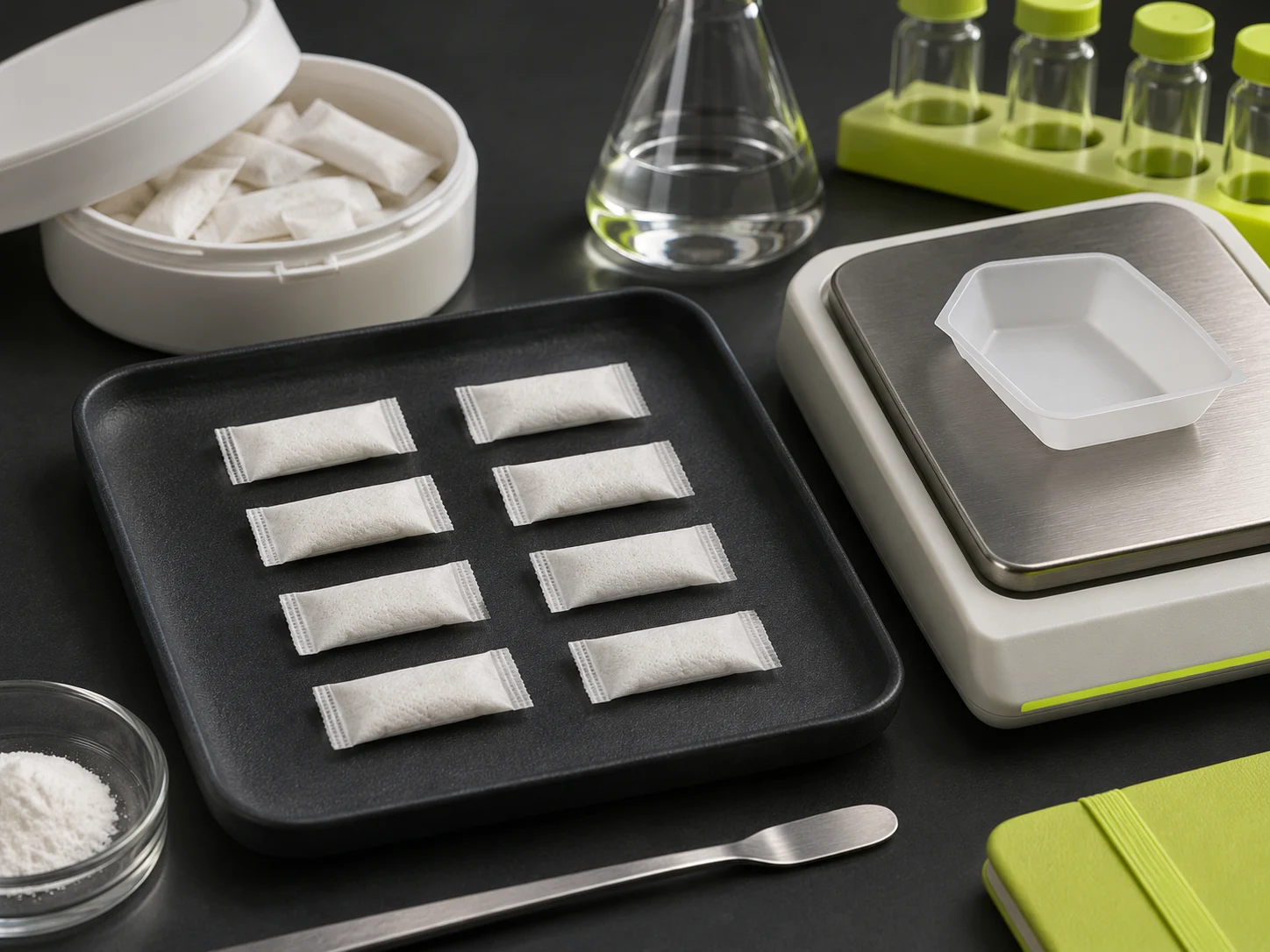
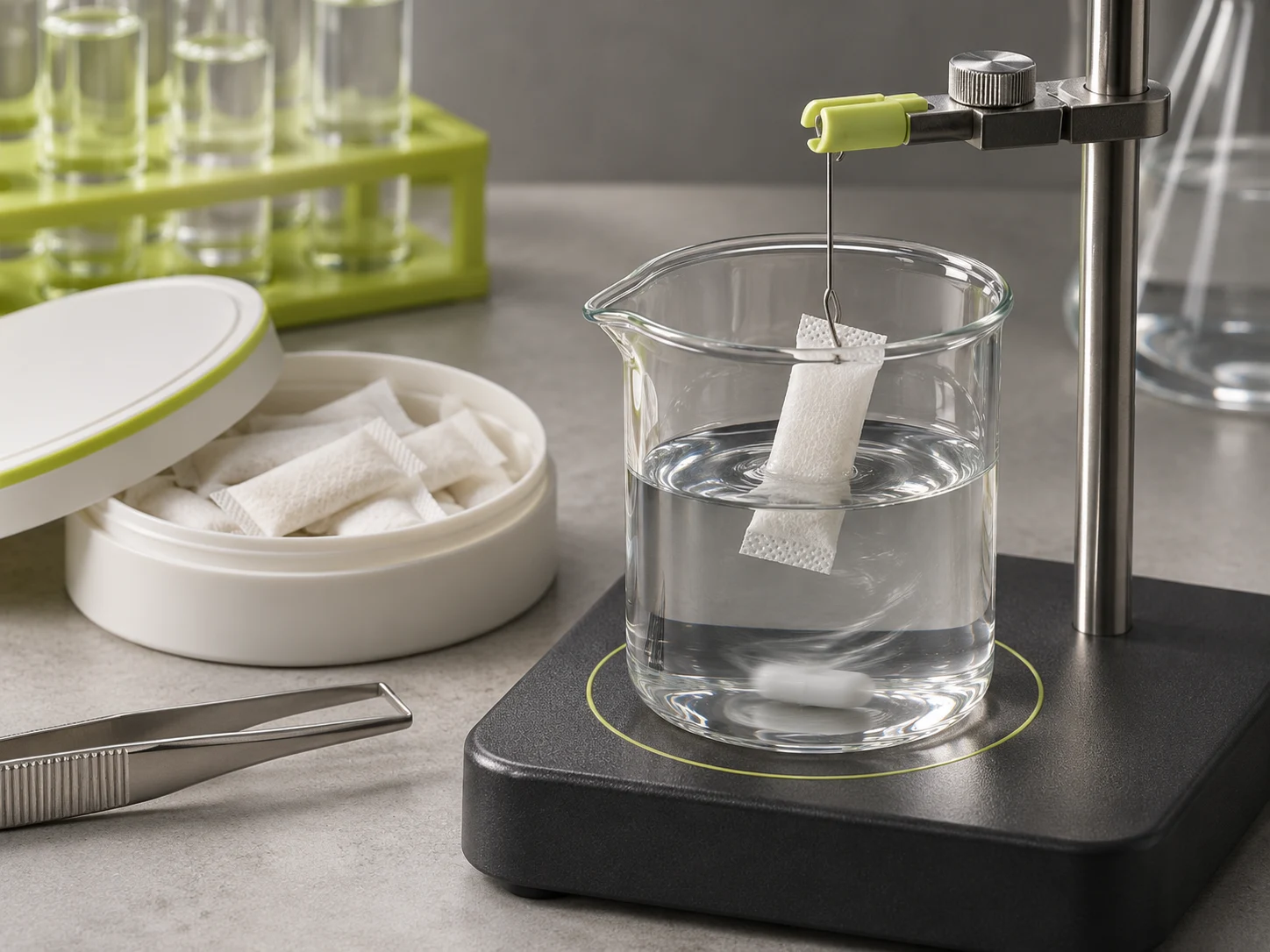
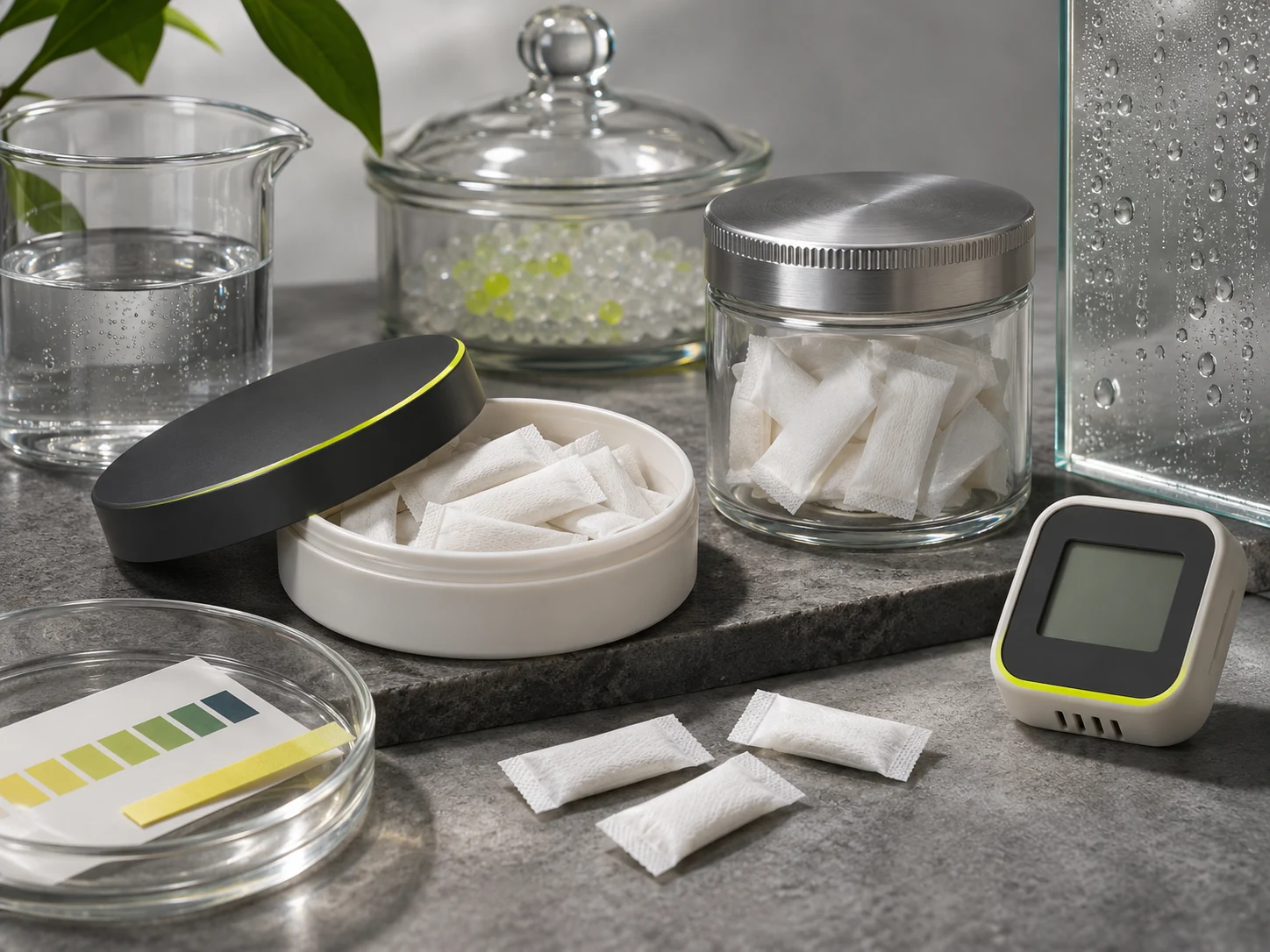
Caffeine pouch quality control begins with defined questions and suitable methods. A caffeine pouch certificate of analysis should identify the actual batch, specification version, methods, results and disposition. A sample report or instrument photograph cannot establish that another formula has passed.
Agree the evidence scope
| Area | What to define |
|---|---|
| Total caffeine | Every source, unit basis, assay method and sampling |
| Uniformity | Unit-level or blend sampling justified for the process |
| Caffeine pouch HPLC testing | Method suitability, extraction, selectivity and recovery in the actual matrix |
| Caffeine pouch microbiological testing | Applicable organisms, methods, criteria and market/product basis |
| Pouch and pack | Fill weight, seam integrity, leaks, closure and compatibility |
| Stability | Conditions, intervals, endpoints and storage statements |
| Caffeine pouch batch traceability | Material lots, formula version, records, retained samples and complaint route |
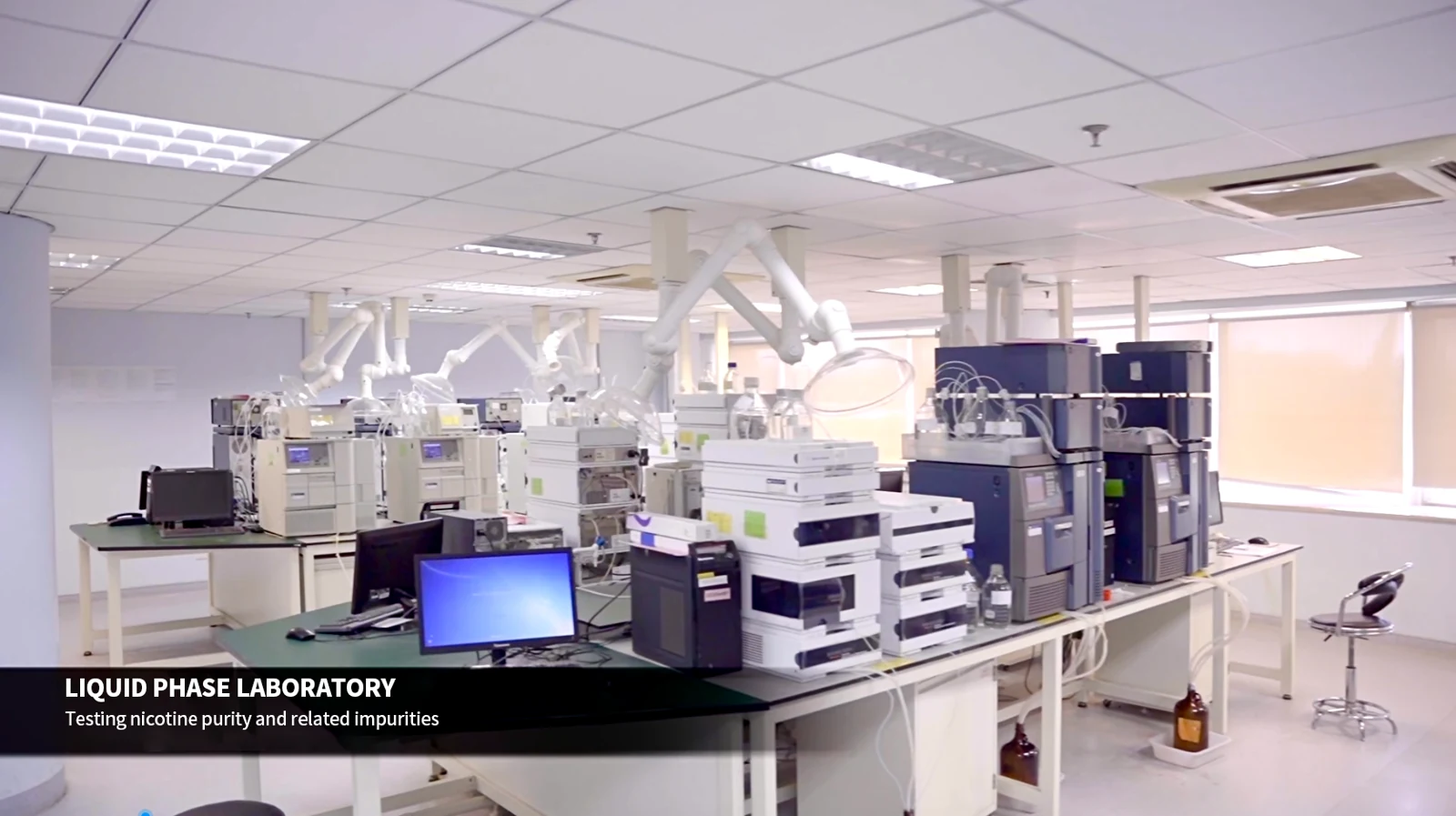
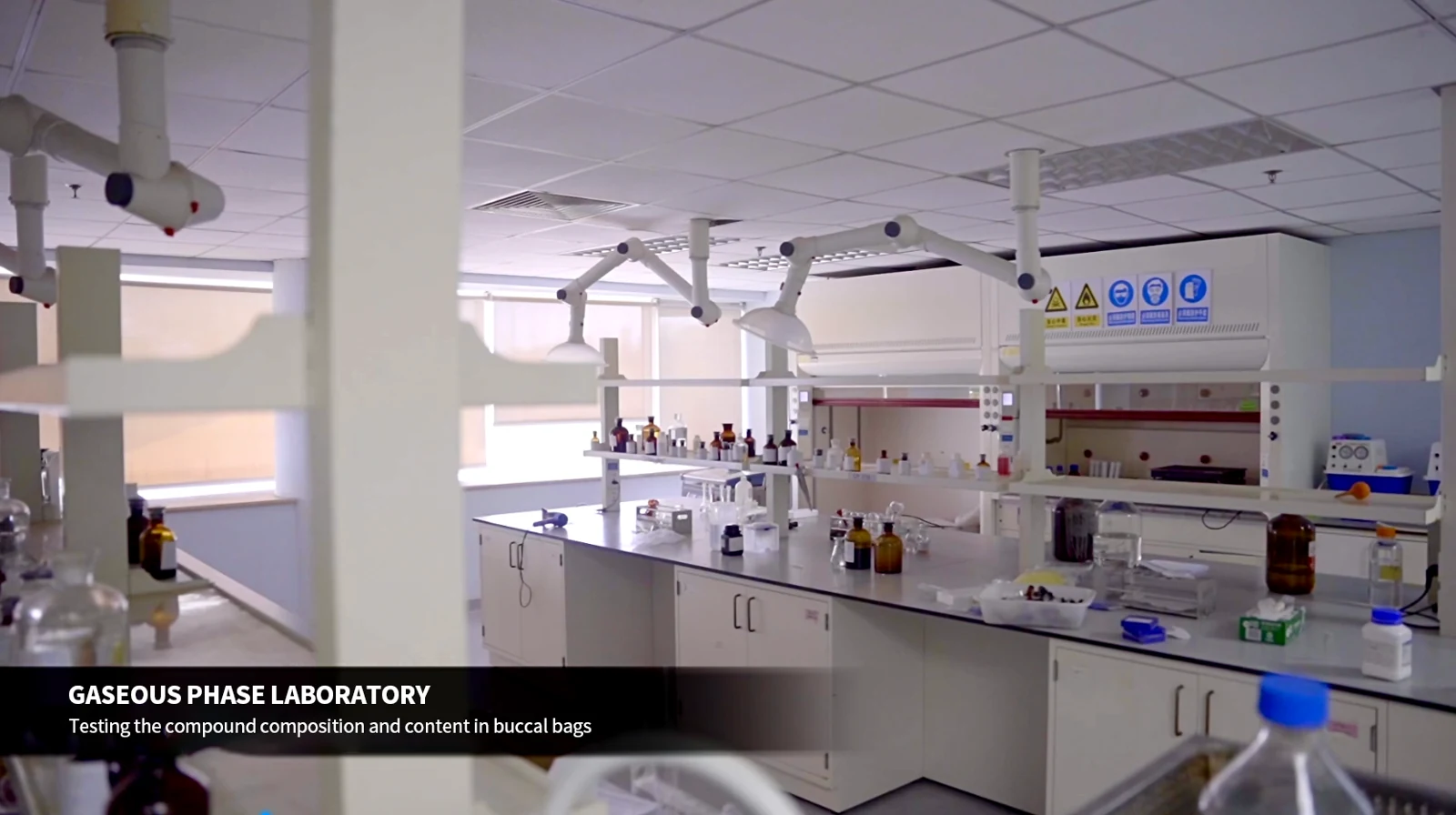
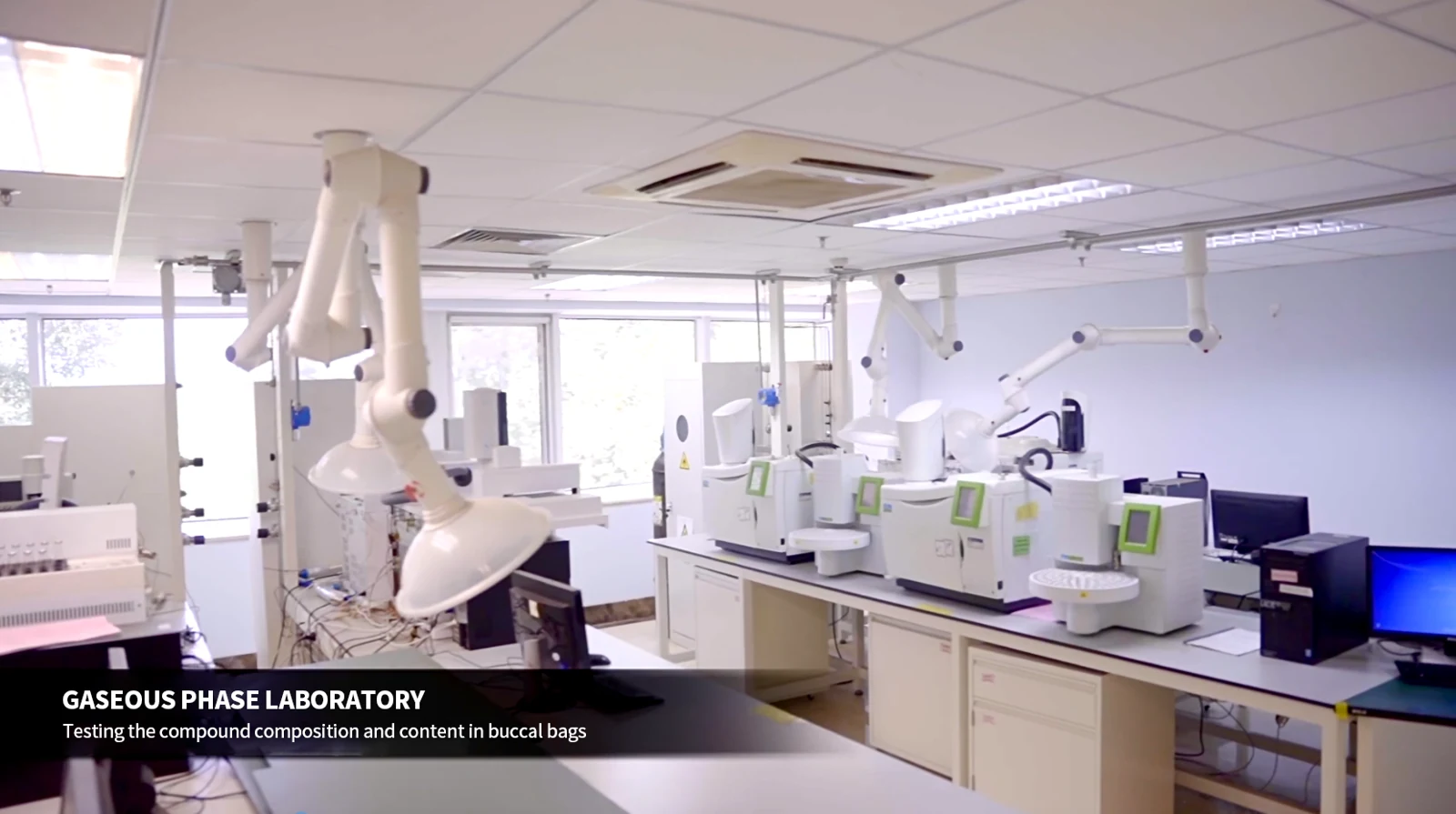
Supplied process reference material. The applicable manufacturing site, equipment and test scope are identified in the project proposal.
Document types serve different purposes
A specification defines what is required. A COA reports a batch against its stated scope. An SDS communicates applicable material hazards. None substitutes for the other two. Confirm which work is performed at the manufacturing site, by an independent laboratory or must be established for the project.
Certification and product approval
Request the legal entity, site, scope, issuer and current validity for any proposed certificate. This site does not display borrowed certificates or claim that a caffeine pouch is FDA approved. Product authorization and facility registration are different matters.